
Photo: Basile Morin / Wikimedia Commons (CC BY-SA 4.0)
Getting there
How visitors usually reach Fushimi Inari Taisha (official access: inari.jp/en/access/).
From Kyoto Station, take a JR Nara Line local train two stops (≈5 minutes) to Inari Station. The shrine is right next to the station — follow shrine signs. Rapid/express trains may skip Inari; confirm the local stopping pattern on the platform screens.
From central east-bank hotels, the Keihan Main Line to Fushimi-Inari Station is often convenient, then about 5 minutes’ walk east to the shrine. City buses also serve the area; expect a several-minute walk from the stop.
Car parks near the shrine prioritise worshippers and fill quickly on weekends. Public transport is the practical default for tourists. Tertiary visitor guides often quote about ¥2,000–3,000 by taxi from central Kyoto — that range is not published on inari.jp; treat it as approximate and confirm on the day.
- — JR Kyoto → Inari (local Nara Line), shrine next to station
- — Keihan Fushimi-Inari Station → ~5 min walk east
- — Avoid driving on peak weekends
- — Return trains toward Kyoto are frequent — still leave buffer after a long hike
Related places
Explore all →
Sensō-ji (Asakusa Kannon)
Sensō-ji (Asakusa Kannon) is Tokyo's oldest established Buddhist temple, traditionally founded in 645 around a Kannon image and still the living religious centre of Asakusa, Taitō.
Buddhist · Japan

Meiji Shrine
Meiji Shrine (Meiji Jingū) is a Shinto shrine in a planted forest in Shibuya, in central Tokyo, beside Harajuku and Yoyogi Park.
Shinto · Japan
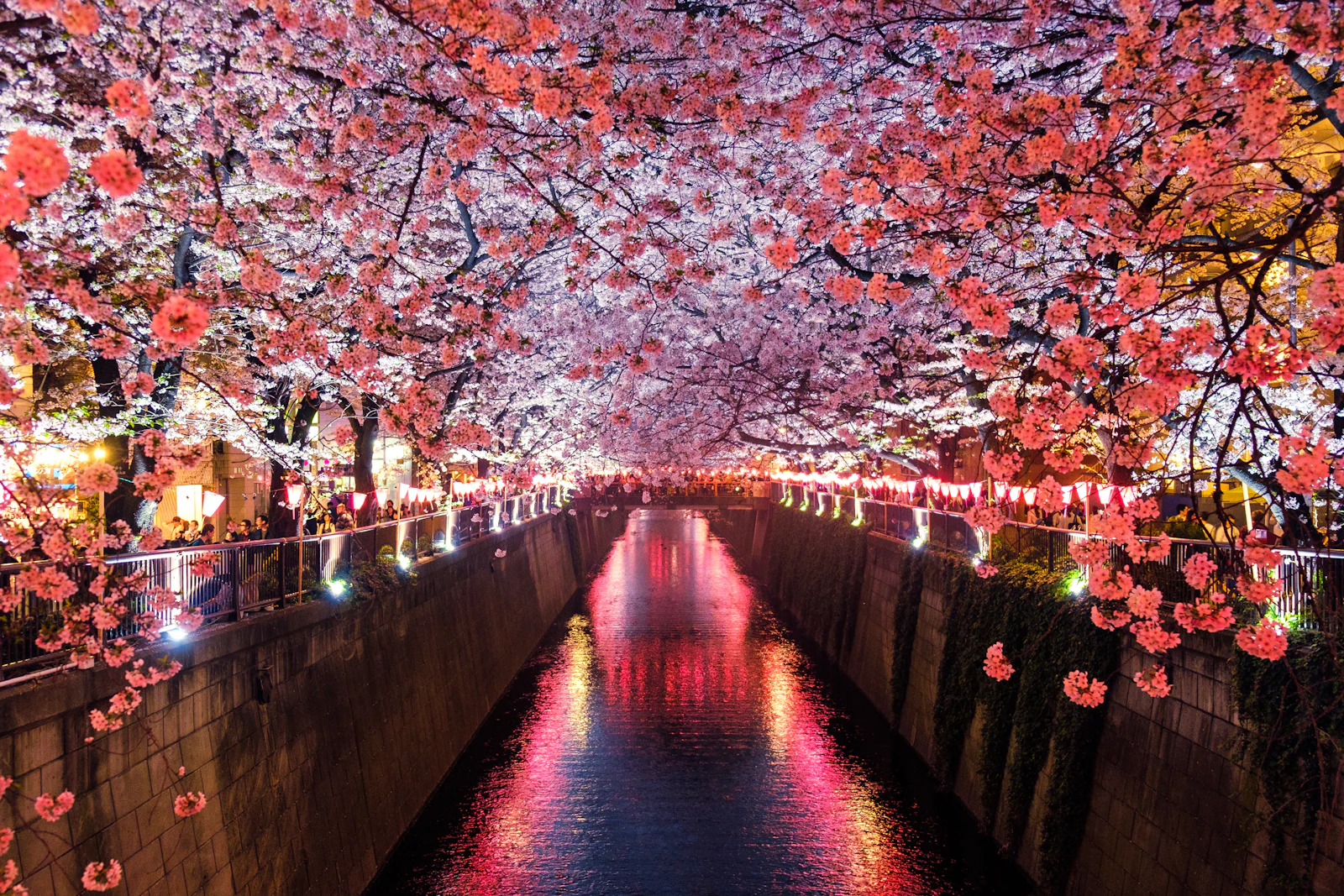
Izumo Taisha / Izumo Ōyashiro (出雲大社), Shimane
One of Japan’s oldest and most important Shinto taisha — Ōkuninushi / en-musubi (all human bonds, not romance-only). Official izumooyashiro.or.jp. Grounds / worship generally free; Treasure Hall separate paid when open. Clap form: two bows, four claps, one bow. Ise remains deferred — do not invent a casual dual-shrine day. Do not invent JPY.
Shinto · Japan